Елзас
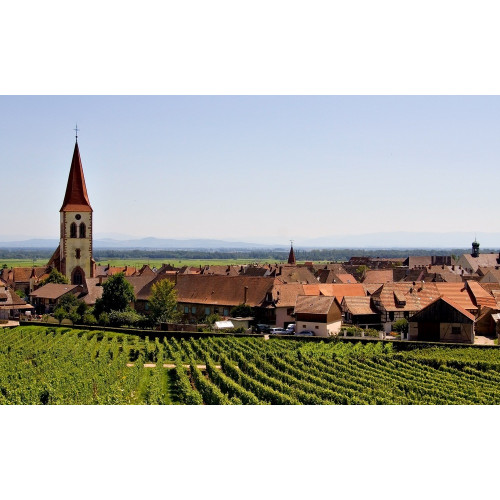
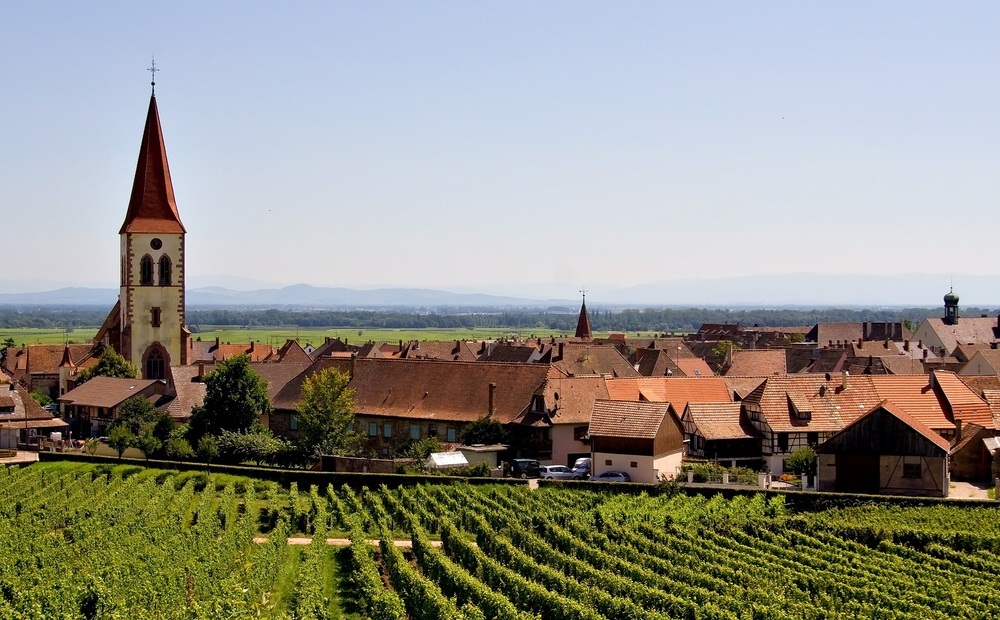
Елзас е
културен и исторически регион в Източна Франция, на западния бряг на река Рейн
на границата с Германия и Швейцария.
От 1982 г. до
2016 г. Елзас е най-малката административна област във Франция, състояща се от областите
Bas-Rhin и Haut-Rhin. Териториалната реформа, приета от френската законодателна
власт през 2014 г., довежда до сливането на административния район Елзас с
Шампан-Арден и Лотарингия, образувайки Grand Est.
Думите, които
най-точно изразяват винената същност на Елзас, са „сух ризлинг“. Вината от там
коренно променят концепцията за традиционно сладките ризлинги. Освен Ризлинг,
други традиционни за региона сортове, са Пино Гри, Пино Блан, Гевюрцтраминер и
Кремант Д‘Елзас. Типични за елазаските вина са силните аромати на цветя и
праскови. Те притежават бляскава киселинност, богата текстура и умерен алкохол.
Обикновено производителите от Елзас не оставят вината да отлежават в дъб, който
придава по-тежки аромати на подправки. Вместо това предпочитат естествения
баланс и узряване на виното, които да допълнят свежият аромат.
Виненият
регион Елзас е изцяло регулиран от закона за апелациите „АОС“: от това кои
сортове са позволени за отглеждане до разстоянията между отделните лозя едно от
друго. В този аспект, Елзас е разделен на 3 части: Alsace AOC (92 % с трапезни вина), Crémant d’Alsace AOC (пенливи
бели и розе вина), Alsace Grand Cru AOC (лимитирани вина от специални лозя).
Климатът в
Елзас е благоприятен, полуконтинентален. Преобладава предимно слънчево време, в
повечето дни е сухо и горещо. Разположени в подножието на планините Вогези,
лозята се намират в дъждовна сянка и са добре изложени на слънце, което спомага
за бавното зреене на сортовете грозде, отглеждани там.
Тероарът на
Елзас е мечта за геолога и винопроизводителя. Експерти твърдят, че ако един
човек се разходи по 100 фута във всяка посока, навсякъде ще открие различен състав
на почвата. Това е и качеството, което прави Елзас сложна, но благоприятна
мозайка от почви за разлика от повечето други винени региони.
Отглеждани на
13 различни вида тероар, вината от Елзас предлагат огромно разнообразие от
вкусови качества. Производителите могат да хармонизират своите стилове и
традиции на производството чрез собствените си парцели, така че всеки сорт
грозде и всяко създадено вино да е наистина индивидуален и чист израз на Елзас.
Освен това, когато става въпрос за минералност и свежест, тук те не са само
понятия, а същност на вината.
Превъзходното местоположение и обилното слънце са в допълнение към разнообразната почва, състояща се от гранит, варовик, шисти и пясъчник. Това е печеливша комбинация, която позволява равномерното узряване на гроздето, което от своя страна е предпоставка за великолепни вина с богата структура, сложни вкусове и аромати.