Армавир, Армения
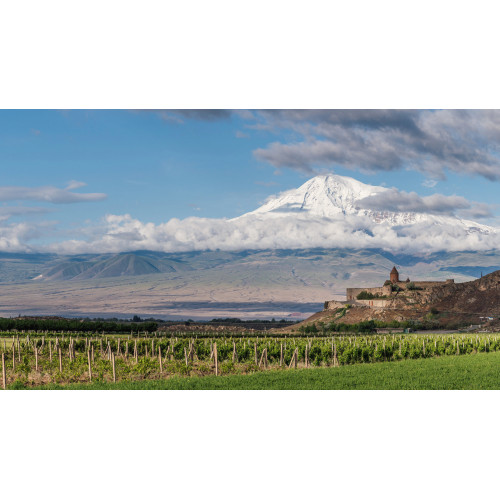
Армения е
малка държава без излаз на море, в южния край на Евразийски Кавказ (планинският
регион между Европа и Азия). Той е известен с производството на бренди и има
малка, но бързо разрастваща се винарска индустрия, опираща се на богатството от
местни сортове грозде. Поради големия брой държави, с които граничи, Армения е
съвкупност от култури, които се отразяват не само в културен, но и в
географски, религиозен и политически аспект.
В близост до един от винарските
региони на страната, се намира пещера Арени – там археолози откриват
доказателства за винопроизводство, датиращо от преди 6000 години. Едно от тях
са намерените „караси“ – глинени съдове, в които са се държали вината и които
са заравяни в земята, за да отлежават. Това е и причина да се смята, че
Армения, заедно с Грузия, е една от най-старите или въобще най-старата държава,
където се прави вино. Вкаменената гроздова материя показва, че лозови
насаждения от подвида silvestris от Vitis vinifera са се отглеждали там преди
повече от един милион години като са открити типични за арменската растителност
гроздови видове.
Армавир е
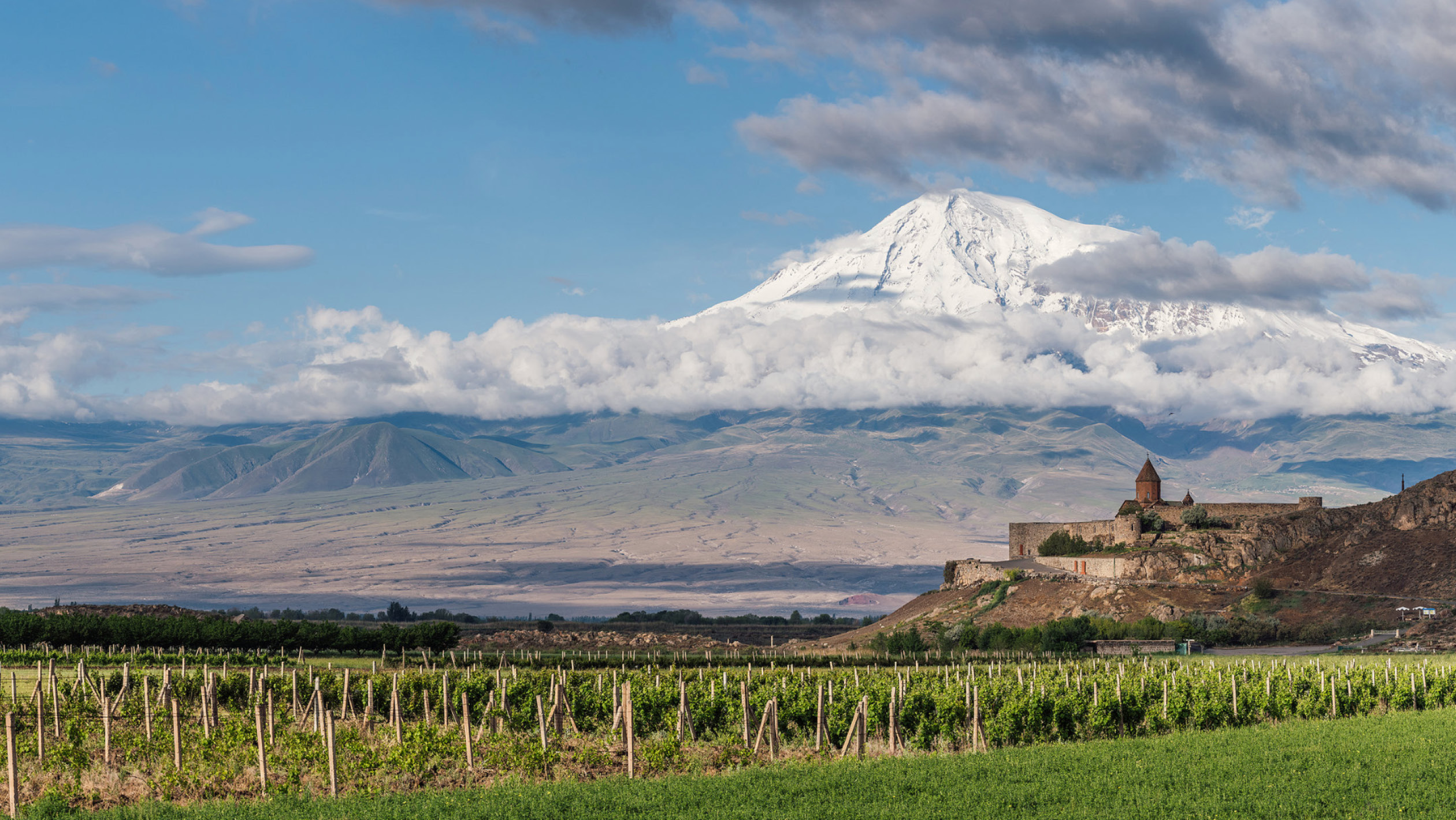
провинция в западната част на Армения, разположена в Араратската равнина,
където се намират планината Арарат на юг и връх Арагац на север. Столицата на
провинцията е Армавир, а най-големият град - Вагаршапат (Ечмиадзин).
Провинцията споделя границата с Турция на юг и запад на 72 км.
Провинцията е
кръстена на древния град Армавир, основан през 331 г. пр. Хр. Тя е и мястото на
решаващата битка за Сардарабад през 1918 г., в резултат на която се основава
Република Армения. Битката се разглежда като решаващо историческо събитие не
само за спиране на турския напредък в останалата част на Армения, но и за
предотвратяване на пълното разрушаване на арменския народ.
60% от производството на грозде идва от районите на Армавир, Арарат и Вайоц Дзор, а от тях 70% са засадени с бели сортове грозде. Страната разполага с общо 500 уникални сорта, въпреки това само около 30 се използват за производство на вино. В днешно време лозарите са си поставили за цел да се опитат да възвърнат голямото разнообразие.
Лозовите насаждения в страната се увеличават, предимно на голяма надморска височина между 500 и 1500 метра. Това обяснява високите дневни температурни колебания и ниските валежи, които характеризират арменските тароари.
Karas е най-популярната арменска изба,
както в пределите на страната, така и в световен мащаб, разполагаща с повече от
400 хектара лозя. Тя се
превръща в лидер във световното производство, когато нейният собственик Едуардо
Ернекиан въвежда най-новите технологии при производството на вино и инвестира
солидни средства за внедряването на най-различни иновации в избата.
Почвата в Армавир е предимно вулканична, богата на глина, с камениста структура, която е съвършена за производството на високо концентрирани вина. В региона се използват както международни, така и местни сортове, които се обработват и отглеждат с най-съвременните технологии, но с индивидуален подход към всеки отделен сорт, така че всеки един от тях да развие потенциала си в най-голяма степен.