Тинта Амарела
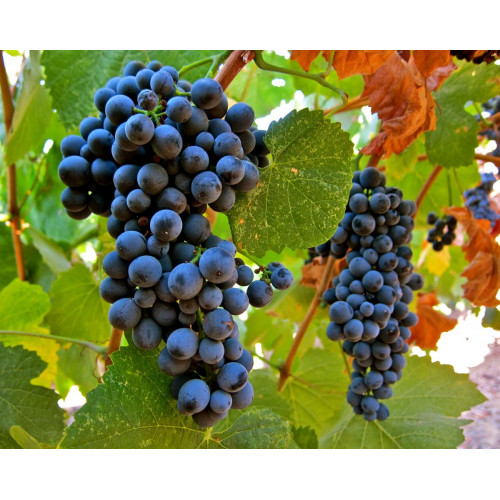
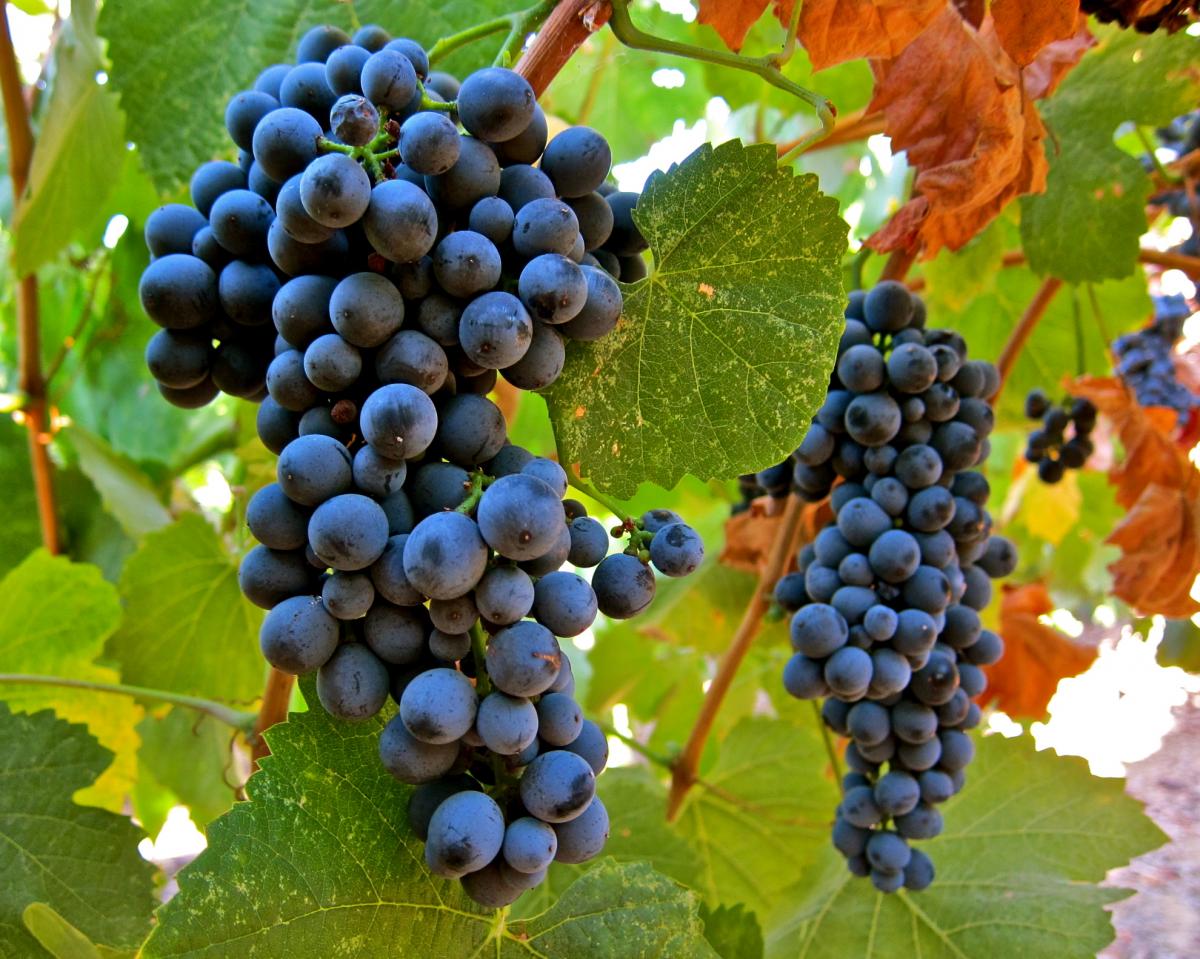
Тинта Амарела,
или още познат като Тринкадейра, е червен винен сорт, най-често използван за
направата на Порто. Характерна черта е тъмният цвят на сока, получен от него. В
последните години използването на Тинта Амарела се увеличава драстично. Лозата е
податлива на гниене и се справя по-добре на сухи и горещи климати.
В Португалия е
един от най-засажданите сортове, а конкретно в региона на Алентехо е
най-старият и най-разпространеният. Точно там носи наименованието Тринкадейра.
Вината, получени от сорта, са богати, наситени и с плътно тяло. Ароматите,
които се открояват най-често, са на боровинки, билки и цветя.
Докато е още в
лозето, за Тинта Амарела се смята, че е доста труден сорт за поддържане.
Гроздовете са силно податливи на гниене, което е от изключително голямо значение
при атлантическото крайбрежие на Португалия. Гниенето се получава с
настъпването на есента заради студените и влажни океански ветрове. Но дори и
при по-добър климат и спокоен сезон на растеж, лозите от Тинта Амарела не са
по-малко предизвикателство за лозарите, особено когато става въпрос за събиране
на реколтата. Плодът е в оптимална зрялост за много кратко време, което прави
срока за беритба много къс. Ако се обере твърде рано, реколтата е крехка и без
без достатъчно аромати. Ако пък се обере по-късно, резултатът е презрял плод с
прекалено сладки Вземете прекалено рано и културата е слаба и неароматизирана.
Вземете прекалено късно и резултатът е презряла реколта и плодове без никаква
киселинност. Това са предпоставките, които карат производителите да използват
по-лесни за отглеждане сортове и са направили Тинта Амарела един от все
по-малко засажданите сортове.
Въпреки факта,
че на лозето може да предизвика големи проблеми, ако успешно се премине този
период, Тинта Амарела може да се отблагодари за търпението подобаващо.
Отглеждан при правилните условия, осигурява много добра реколта от тъмни,
богати на цвят и вкусове гроздове. Младите
вина от сорта се характеризират с тревисти аромати, които често се допълват от
тъмни нотки, сходни с черния чай. При по-отлежалите се усещат по-наситени
вкусове на къпина. Танините са добре развити.